Introduction:
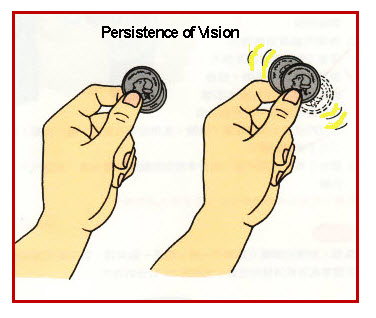
This is part 2 of task 1 about pioneers. These pioneers impact the future of stop motion largely because they created the technology for us to mimic movement. Without them there wouldn't be stop motion animation.
John Plateau
John Plateau was the inventor of the Phenakitoscope, the first widespread fluid 'illusion of motion' animation contraption. It was only a short continuous loop however it was the one of the first moving media entertainment devices that paved the way for future devices and film industries. It was released as a scientific invention because it was invented through scientific research of optical illusions. However, it was then referred to as a novelty toy. When the novelty aspect wore off it was then referred to as a children's toy. Joseph Plateau was a Belgian physicist from Brussels and was known for his research of soap bubbles (Plateau's Laws).


William Horner
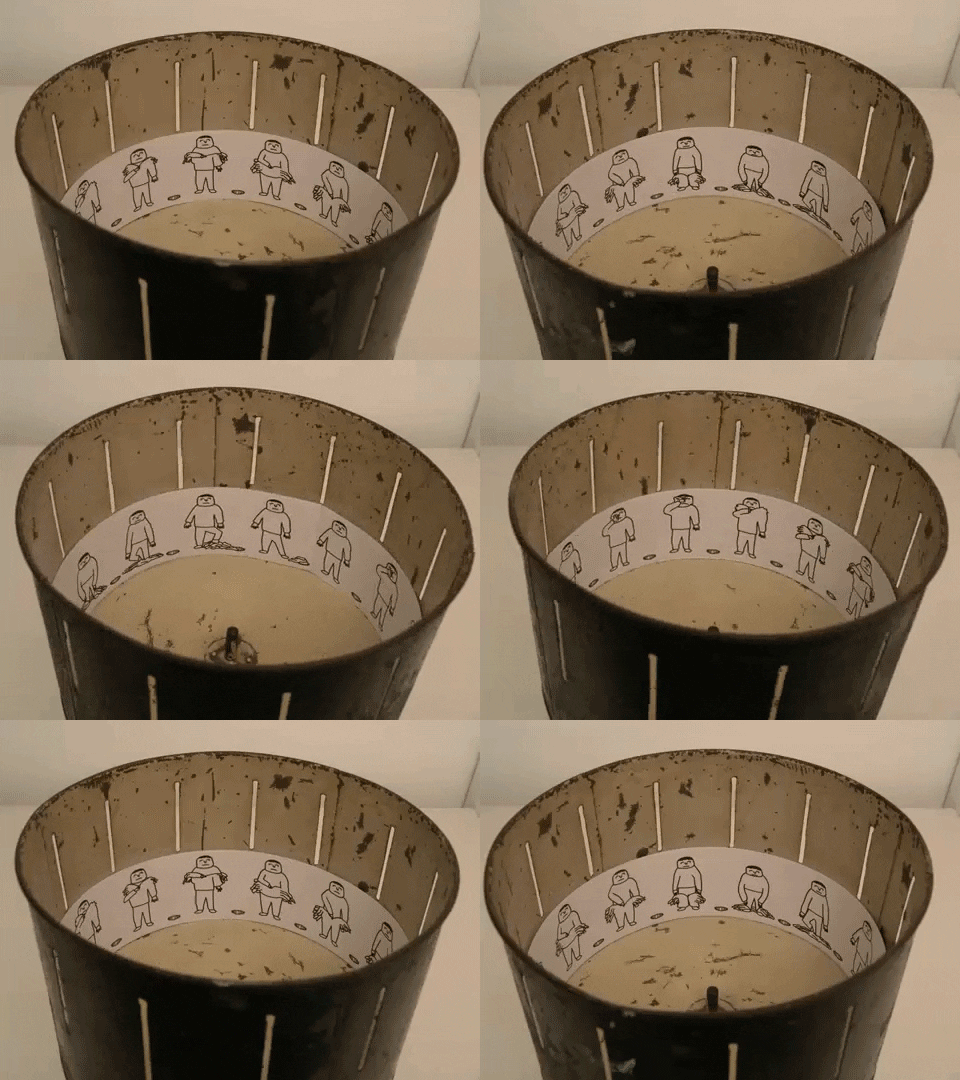
William Horner was one of the inventors of the Zoetrope. William Horner was a British mathematician who after taking notice of Joseph Plateau's work on the Phenakitoscope (which was released in England as 'Phantasmascope') invented a cylindrical version of the Phenakitoscope. Horner published the details of its mathematical principles in January, 1834. The Zoetrope was originally called 'The Dædaleum' by Horner as a reference to the Greek myth of Daedalus. Unlike the later versions of the Zoetrope that had viewing slits above the pictures, Horner's was a revolving drum with viewing slits between the pictures. This variation (The Dædaleum') was supposed to be published in Bristol with optician King Jr but it "met with some impediment probably in the sketching of figured".

Emile Reynaud
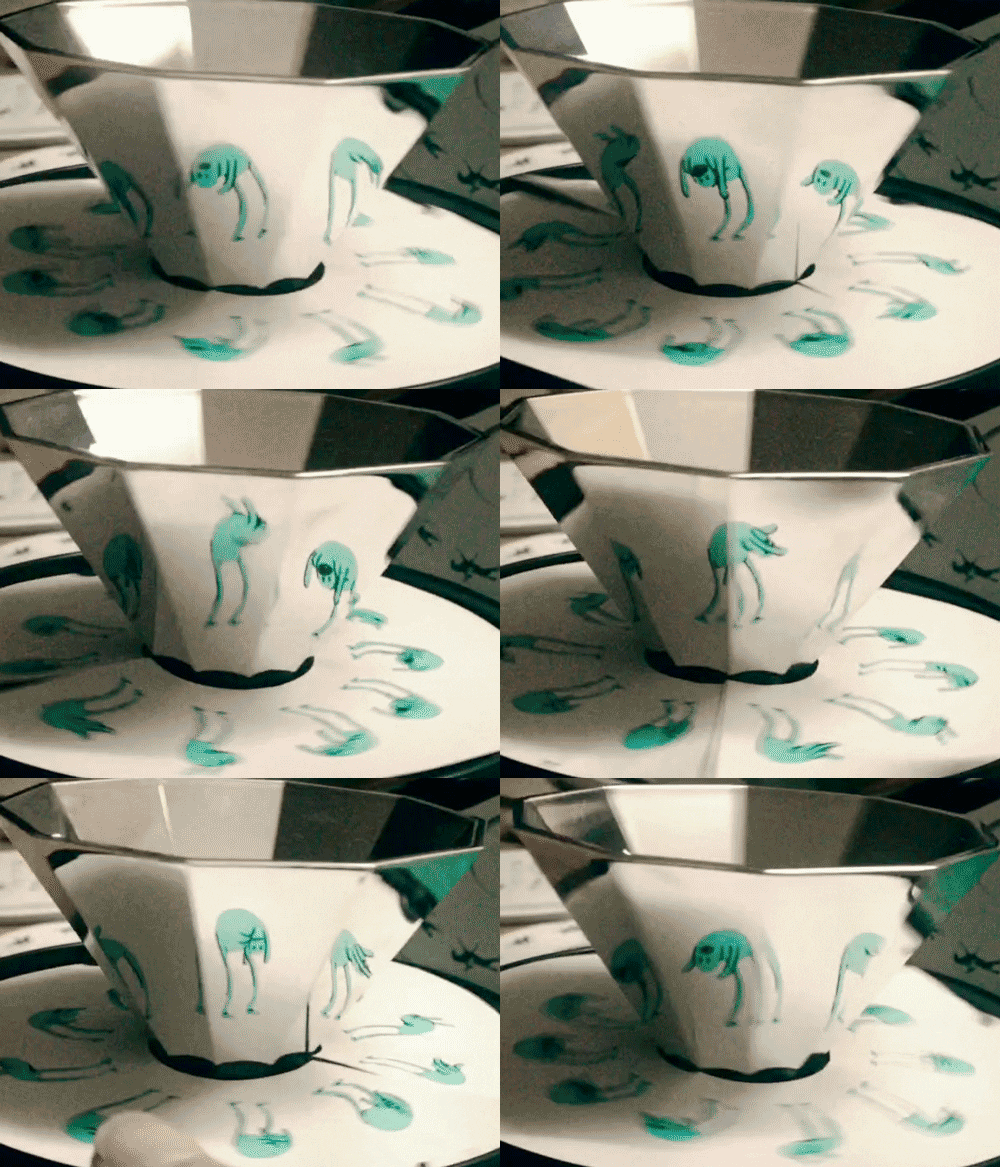
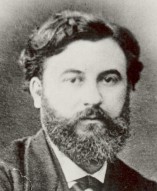
Emile Reynaud was the inventor of the Praxinoscope. Emile Reynaud was a french inventor and invented the praxinoscope in 1877. The praxinoscope is the successor to the Zoetrope. Like the Zoetrope, the Praxinoscope uses a spinning cylinder with a strip of pictures placed around the inner surface. Unlike the Zoetrope, the Praxinoscope has an inner circle of mirrors instead of the Zoetrope's narrow viewing slits. If you looked at the mirrors you would see a rapid succession of images producing the illusion of motion, it would brighter and less distorted than what the Zoetrope produced.